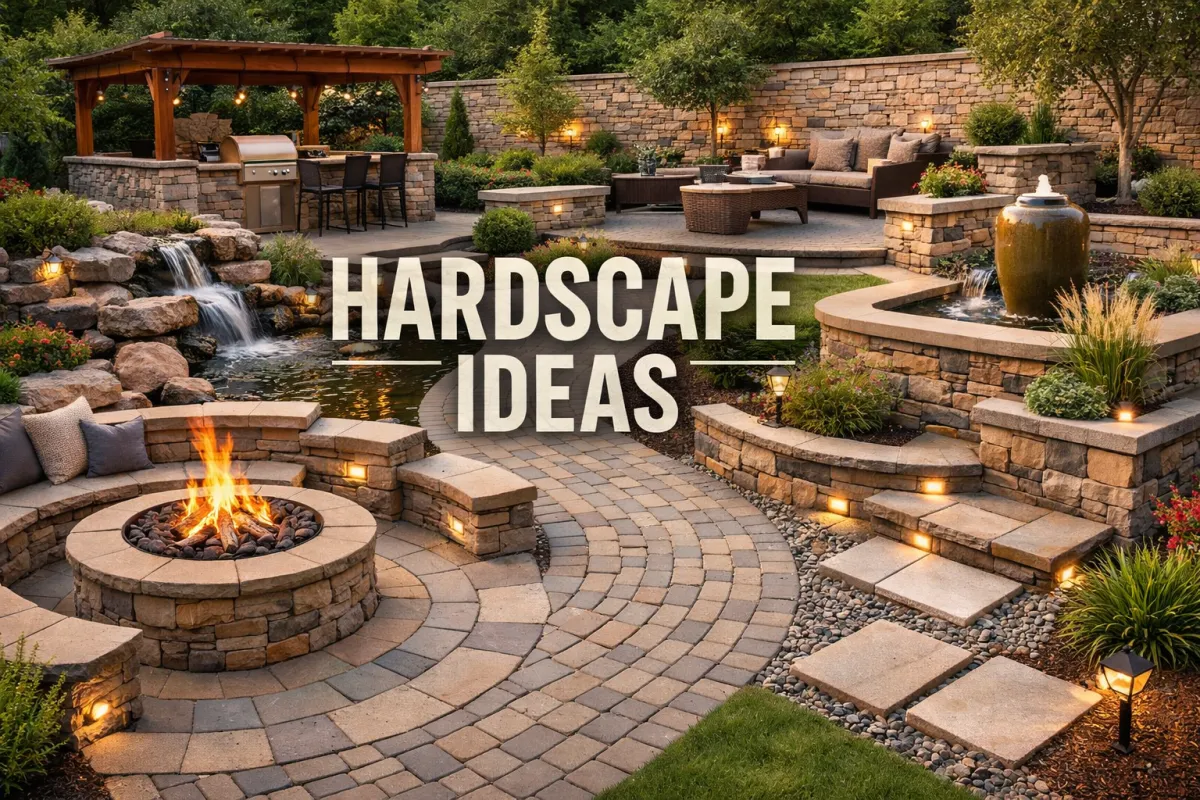
Hardscape Ideas: Practical, Beautiful Ways to Transform Your Outdoor Space
Hardscape Ideas: Practical, Beautiful Ways to Transform Your Outdoor Space
Outdoor spaces have changed. Backyards are no longer just patches of grass you mow once a week—they’ve become extensions of our homes, places where life actually happens. That’s where hardscape ideas come into play. Whether you’re dreaming of a cozy patio, a clean stone walkway, or a low-maintenance yard that still looks stunning, hardscaping gives structure, purpose, and personality to your outdoor environment.
Hardscape ideas focus on the non-living elements of landscaping—stone, concrete, brick, metal, and wood structures that define how a space is used. Think of hardscaping as the bones of your yard. Plants may come and go with the seasons, but hardscape features stay put, anchoring everything else in place.
The beauty of hardscape design is that it works for almost everyone. Large yard or small, modern or rustic, tight budget or long-term investment—there’s a solution that fits. And when done right, hardscaping doesn’t just make your outdoor space prettier; it makes it more functional, more valuable, and easier to maintain.
In this guide, we’ll walk through practical, real-world hardscape ideas that homeowners actually use and love. No fluff. Just clear explanations, benefits, and examples you can picture in your own yard.
What Hardscape Ideas Really Mean for Modern Homes
Hardscape ideas go far beyond laying a few pavers or pouring concrete. At their core, they’re about designing outdoor spaces that work with your lifestyle. Hardscaping includes patios, walkways, driveways, retaining walls, steps, fire pits, seating walls, pergolas, and even outdoor kitchens.
What makes hardscaping especially relevant today is how homeowners use their outdoor areas. People want spaces for entertaining, relaxing, and even working from home outdoors. A well-designed hardscape creates defined “rooms” outside—just like inside your house.
Another key aspect of modern hardscape ideas is durability. Unlike plants that require constant care, hardscape features are built to last. When properly installed, stone and concrete surfaces can withstand weather, foot traffic, and time with minimal upkeep. That’s a big win for busy homeowners.
Hardscaping also plays a critical role in drainage and erosion control. Sloped yards, problem areas with standing water, or soil erosion can often be fixed with thoughtful hardscape design. Retaining walls, grading, and permeable pavers don’t just look good—they solve real problems.
Ultimately, hardscape ideas are about intention. Every stone, surface, and structure serves a purpose. When planned correctly, your yard doesn’t just look designed—it feels effortless.
Benefits of Smart Hardscape Design
The biggest benefit of good hardscape design is value—both practical and financial. From a real estate perspective, professionally executed hardscape features can significantly boost curb appeal and resale value. Buyers don’t just see a yard; they see usable outdoor living space.
Another major advantage is low maintenance. Grass, flower beds, and shrubs require constant attention. Hardscape features don’t. Once installed, patios and walkways need only occasional cleaning. That makes hardscape ideas especially appealing for people who want a beautiful yard without spending every weekend maintaining it.
Durability is another key benefit. Quality materials like natural stone, pavers, and reinforced concrete are built to withstand harsh weather conditions. Unlike wooden decks that may warp or rot, hardscape surfaces age gracefully when installed correctly.
Hardscaping also improves usability. Muddy areas become clean walkways. Uneven ground becomes safe steps. Slopes become functional terraces. These improvements make outdoor spaces safer for kids, guests, and anyone with mobility concerns.
Finally, hardscape ideas offer design flexibility. You can go modern with sleek concrete and metal, rustic with natural stone, or classic with brick and pavers. No matter your style, hardscaping adapts to it.
Hardscape Ideas for Patios and Outdoor Living Areas
Patios are often the heart of outdoor living, and they’re one of the most popular applications of hardscape ideas. A well-designed patio becomes an outdoor living room—perfect for dining, relaxing, and entertaining.
Material choice is critical. Concrete patios are affordable and versatile, especially when stamped or stained. Pavers offer a polished, modular look and are easy to repair if damaged. Natural stone provides unmatched character and blends beautifully with surrounding landscapes.
Layout matters just as much as material. A patio should feel connected to the house, not like an afterthought. Consider how people will move between indoor and outdoor spaces. Wide transitions, level surfaces, and thoughtful furniture placement make a huge difference.
Adding features like built-in seating walls, fire pits, or pergolas enhances both comfort and usability. These elements turn a simple patio into a destination.
Choosing the Right Materials for Patios
Selecting patio materials isn’t just about looks—it’s about performance. Climate, usage, and maintenance preferences all matter. In hot climates, lighter-colored materials stay cooler underfoot. In freeze-thaw regions, flexible pavers often outperform solid slabs.
Cost is another factor. While natural stone is beautiful, it’s also more expensive. Concrete pavers offer a balance between aesthetics and affordability. The best hardscape ideas match material choice with real-life needs, not just Pinterest inspiration.
Blending Comfort with Functionality
A great patio feels inviting. Texture underfoot, shade overhead, and seating that encourages conversation all matter. Hardscape design should always consider how people will actually use the space, not just how it looks in photos.
Walkways and Pathways That Elevate Curb Appeal
Walkways are often overlooked, but they play a huge role in how a property feels. A thoughtfully designed path guides visitors, improves safety, and instantly boosts curb appeal.
Straight paths feel formal and efficient, while curved walkways create a sense of discovery. Materials like stone slabs, pavers, or gravel can be used depending on the desired look and budget.
Proper width is essential. A walkway should feel comfortable for two people walking side by side. Lighting is another important consideration. Low-voltage path lights increase safety and add visual drama at night.
Practical Layout Tips for Safe, Stylish Paths
Good hardscape ideas always balance beauty and function. Paths should avoid steep slopes, include slip-resistant surfaces, and integrate drainage solutions. A great walkway feels natural, even if it’s carefully engineered.
Retaining Walls as Functional Design Features
Retaining walls are often seen as purely functional, but they can be powerful design elements. They manage slopes, prevent erosion, and create usable flat areas in sloped yards.
Modern retaining wall designs use materials like segmental concrete blocks, natural stone, or poured concrete. When done well, they blend seamlessly into the landscape.
Beyond function, retaining walls can double as seating, garden borders, or visual focal points. Terraced retaining walls add depth and structure to otherwise difficult spaces.
When Retaining Walls Become Visual Focal Points
By varying height, texture, and materials, retaining walls can become standout features. Integrated lighting or planting pockets soften their appearance and add character.
Hardscape Ideas for Small Yards and Tight Spaces
Small yards don’t limit hardscape potential—they refine it. In compact spaces, every design decision matters more. Hardscape ideas for small yards focus on efficiency and visual openness.
Using large-format pavers can make a space feel bigger. Built-in seating eliminates the need for bulky furniture. Vertical elements like walls and planters maximize usable space.
Multi-functional features are key. A low wall can be seating, a garden edge, and a visual divider all at once. Thoughtful hardscaping turns limitations into strengths.
Space-Saving Techniques That Still Feel Open
Consistent materials, clean lines, and minimal clutter help small spaces breathe. The best hardscape ideas simplify rather than overwhelm.
Mixing Hardscape and Landscape for Natural Balance
The most successful outdoor spaces balance hardscape and softscape. Too much stone feels cold; too many plants feel chaotic. The magic happens in between.
Planting beds soften hard edges. Climbing plants break up vertical surfaces. Trees provide shade and scale. These elements humanize hardscape features and make them feel lived-in.
How to Soften Stone with Greenery
Use layered planting, organic shapes, and native plants to create contrast. The goal isn’t competition—it’s harmony.
Planning, Budgeting, and Installing Hardscape Projects
Every successful hardscape project starts with a plan. Define your goals, budget, and timeline before breaking ground. Consider long-term use, not just immediate impact.
Costs vary widely depending on materials, site conditions, and labor. While DIY installation may save money, complex projects often benefit from professional expertise.
DIY vs Professional Installation
DIY works for simple paths or patios. Retaining walls, drainage solutions, and large-scale projects usually require professionals to ensure safety and longevity.
Conclusion: Turning Hardscape Ideas into Lasting Value
Hardscape ideas aren’t about trends—they’re about creating outdoor spaces that truly work. When designed with intention, hardscaping adds beauty, function, and value that lasts for decades. Whether you start small or go all in, thoughtful hardscape design transforms how you experience your home every single day.
FAQs
1. How long do hardscape features typically last?
Well-installed hardscape features can last 25–50 years or more with minimal maintenance.
2. Are hardscape projects expensive?
Costs vary, but many projects can be phased over time to fit different budgets.
3. Do hardscape ideas work in all climates?
Yes, with proper material selection and installation techniques.
4. Can hardscaping improve drainage issues?
Absolutely. Many hardscape designs actively manage water flow and erosion.
5. Is hardscaping environmentally friendly?
Using permeable materials and smart design can make hardscaping very eco-conscious.
