
Blog
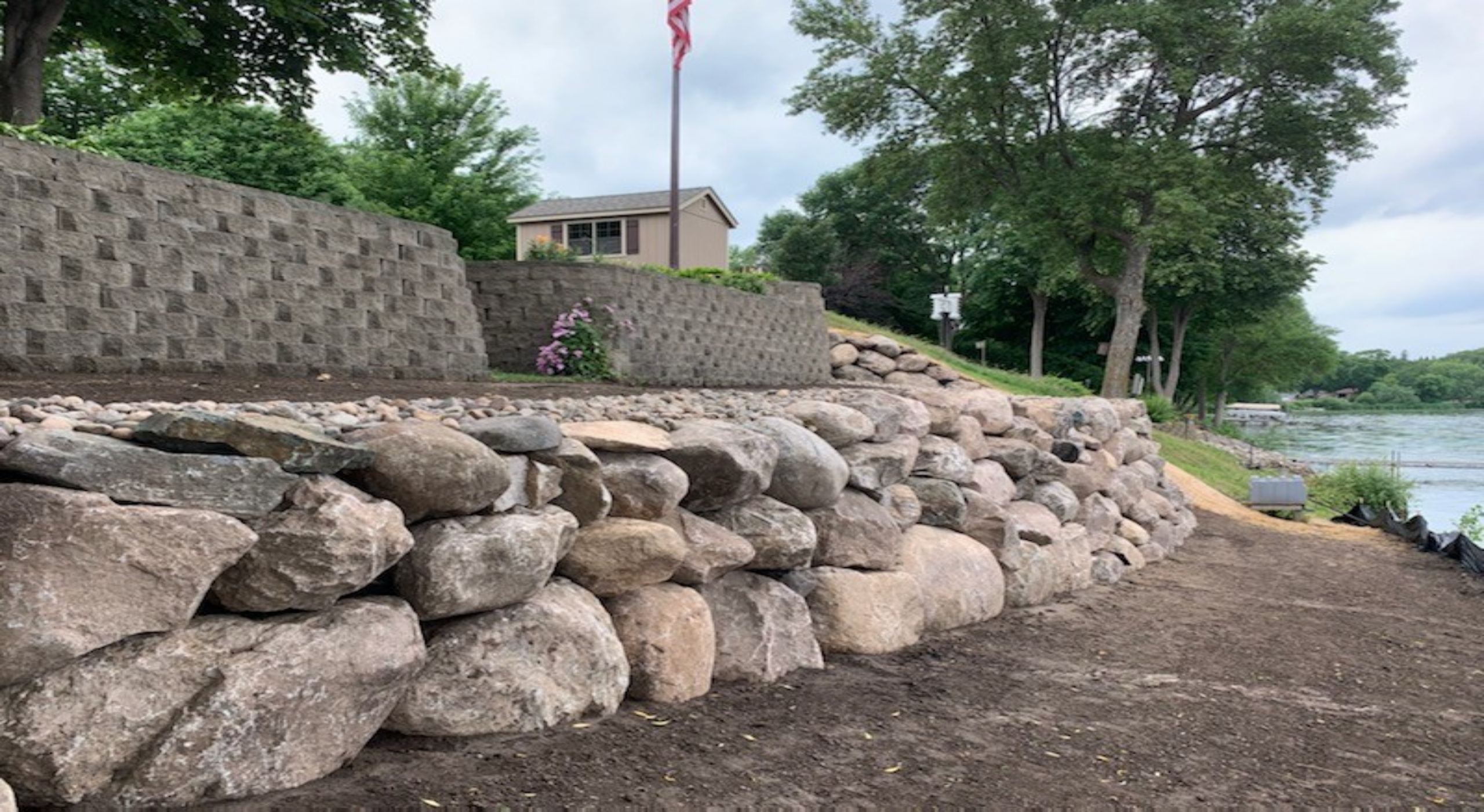
Waterfront Retaining Wall Ideas
Waterfront Retaining Wall Ideas
Introduction: Why Waterfront Retaining Walls Matter
Waterfront properties are undeniably captivating—calm ripples on a lake, the quiet rush of a riverside, or the soothing rhythm of ocean waves. But with that natural beauty comes the constant challenge of managing water movement, erosion, and shifting soil. That’s where waterfront retaining walls come in. They aren’t just decorative accents; they’re essential structures that keep the land from slipping away, protect your shoreline from erosion, and help maintain the value and usability of your property. Whether you want a cozy lakeside sitting area, a more stable riverbank, or a stylish oceanfront edge, your retaining wall becomes the foundation—literally and visually—of your entire waterfront design.
Unlike a standard retaining wall in a backyard garden, walls near water must handle unique environmental pressures. Soil is constantly shifting around them, moisture is always present, and hydrostatic pressure never stops. Think of your wall as a shield: constantly pushing back against the force of water, gravity, and time. That means you can't rely on guesswork or lightweight materials; you need strong, durable, and intelligently engineered construction. When done correctly, a waterfront retaining wall can last decades, protect the land from erosion, and add incredible aesthetic appeal.
But beyond protection and stability, retaining walls give homeowners a chance to completely reinvent their outdoor space. Some choose natural stone walls that blend seamlessly into the landscape, while others go for sleek modern concrete that adds a luxurious, resort-style vibe. Gabion baskets offer a rugged yet stylish look, timber gives a warm cottage-like charm, and eco-friendly living walls allow greenery to flourish right at the shoreline. The possibilities are endless. And with thoughtful planning and the right materials, you can create a space that’s not just sturdy and safe but also visually stunning.
If you’re ready to transform your waterfront into a beautiful and durable outdoor oasis, exploring retaining wall ideas is the perfect place to start. Below, you’ll find everything you need—styles, materials, designs, costs, and maintenance tips—to help you build a wall that not only enhances your property but also stands the test of time.
Understanding Waterfront Retaining Walls
Waterfront retaining walls serve a special purpose: they prevent erosion and stabilize shorelines where soil constantly battles against the forces of water. Because moisture is always present, these walls must be tougher, smarter, and built for long-term resilience. While a standard backyard wall supports soil and handles occasional rain, a waterfront wall deals with constant hydrostatic pressure—water pushing from behind and alongside, creating a unique challenge that demands proper drainage, reinforcement, and long-lasting materials.
One of the things homeowners often underestimate is how much water movement influences soil stability. Even gentle currents or small waves can gradually wear away at the land. Over months or years, this causes the soil to weaken, shift, and eventually collapse. A retaining wall prevents this slow erosion process, creating a protective barrier that holds the land in place and ensures your yard, patio, or shoreline remain intact. This is especially important for properties located in areas prone to flooding or seasonal water level changes. Without a proper retaining wall, your waterfront could slowly disappear—literally.
Additionally, waterfront retaining walls are essential for shaping usable outdoor spaces. They help level ground, create terraces, support pathways and stairs, and even incorporate built-in seating that allows you to enjoy the water comfortably. Whether you’re building a fishing area, a viewing platform, or a boat docking zone, the retaining wall often becomes the central structural component that makes everything else possible. With thoughtful planning and the right design, your wall can elevate the functionality of your entire property.
Natural Stone Retaining Wall Ideas
Natural stone is one of the most timeless and visually appealing materials for waterfront retaining walls. Its durability, rustic charm, and organic texture blend seamlessly with the surrounding environment, making it a popular choice for lakes, rivers, and coastal shorelines. Natural stone walls also offer excellent strength and stability, especially when using large boulders or stacked stones that interlock and resist water pressure. If you're aiming for a natural look that feels like it has always been part of the landscape, stone is hard to beat.
Stacked Stone Walls
Stacked stone walls bring elegance and texture to waterfront landscapes. They’re created by stacking flat or irregular stones without visible mortar, giving them a traditional, handcrafted appearance. These walls are ideal for creating multiple tiers near the water, adding depth and dimension to your property. Because stacked stone naturally absorbs and disperses water, it's surprisingly effective at resisting erosion. Homeowners love stacked stone walls because they blend beautifully with gardens, pathways, and natural surroundings.
Boulder Walls for a Rustic Waterfront Look
If you're drawn to a rugged, nature-inspired aesthetic, boulder walls are a fantastic option. These walls use large stones—sometimes several feet in diameter—to create a sturdy and visually striking shoreline barrier. Boulder walls are especially effective for lakefronts or rivers with strong currents; their sheer weight helps keep soil in place even under intense pressure. They also add a sense of permanence and raw beauty that enhances any natural waterfront view.
Using Mixed Stone Textures for Visual Depth
Mixing various stone types—such as granite, river rock, and fieldstone—gives your retaining wall a unique and eye-catching look. This variety in color, texture, and size creates visual interest and depth, making the wall not just functional but also a core design element. Mixed-stone walls pair well with natural landscaping and can complement everything from wooded lakefronts to modern waterfront patio areas. They provide a perfect balance between rustic charm and artistic detail.
Timber Retaining Wall Designs
Timber retaining walls offer a warm, rustic feel that’s perfect for cabins, lakeside homes, and waterfront properties surrounded by nature. Wood walls blend effortlessly into the environment, making them an excellent choice for those who want a softer, more organic look compared to stone or concrete. When properly treated and installed, timber can be surprisingly durable—even in wet environments.
Pressure-Treated Timber Walls
Pressure-treated lumber is commonly used for retaining walls because it withstands moisture, insects, and decay. When installed with proper drainage and anchoring, timber walls can last many years while maintaining their natural charm. They’re especially popular for lakes and ponds where water exposure is less intense than along a coastal shoreline. This type of wall is affordable, easy to install, and visually appealing—making it a practical choice for homeowners who want both functionality and style.
Driftwood-Themed Walls for Coastal Vibes
For a unique design that feels deeply connected to the water, driftwood-themed retaining walls create a beautiful coastal atmosphere. These walls often combine treated timber with natural driftwood accents, giving the space a relaxed, beachy character. The variations in texture and shape create a natural, artistic look that feels like part of the shoreline itself. Driftwood-themed walls are perfect for oceanfront homes or properties where you want to create an informal, weathered aesthetic.
Log + Timber Hybrid Designs
Hybrid designs combine large logs with smaller pieces of timber to create strong, visually dynamic retaining walls. Logs add mass and strength, while timber planks provide structure and clean visual lines. This combination works especially well in wooded lakefront properties, where the wall blends with the surrounding landscape but still offers a unique, handcrafted appearance.
Concrete Waterfront Retaining Wall Ideas
Concrete retaining walls are among the most durable and long-lasting options for waterfront properties. They offer exceptional strength, resistance to moisture, and the ability to withstand waves, floods, and harsh weather conditions. Unlike wood, concrete doesn’t rot, and unlike stone, it provides a sleek, modern look that many homeowners love.
Modern Smooth Concrete Walls
Smooth concrete walls create a clean, minimalist appearance that’s ideal for modern lake houses or luxury oceanside properties. Their uniform surface and sharp lines complement contemporary architecture and can make any waterfront look polished and upscale. These walls are also extremely durable, making them a smart long-term investment for areas with high moisture or strong water movement.
Textured Stamped Concrete
Stamped concrete offers the best of both worlds: the strength of concrete and the beauty of decorative textures. Using molds, contractors can create patterns that mimic wood, stone, brick, or custom artistic designs. This adds visual interest to your retaining wall without sacrificing structural integrity. Stamped concrete works especially well for homeowners who want the look of stone but need the durability and cost efficiency of concrete.
Reinforced Concrete for Harsh Conditions
In areas with strong waves, fluctuating water levels, or seasonal storms, reinforced concrete is a must. Steel reinforcement bars add strength and prevent cracking, ensuring the wall can hold back soil even under significant pressure. This type of construction is common along rivers with strong currents or oceanfront properties exposed to tide changes. While it may cost more upfront, reinforced concrete offers incredible longevity and peace of mind.
Gabion Retaining Walls
Gabion retaining walls are made of wire cages filled with rocks, glass, shells, or other materials. They’re strong, flexible, and incredibly effective at navigating the challenges of waterfront environments. Their open design allows water to flow through rather than push against the wall, reducing hydrostatic pressure and minimizing erosion.
Rock-Filled Gabion Baskets
The classic gabion wall uses metal baskets filled with stones of various sizes. These walls are rugged, industrial-looking, and extremely stable. Because the stones allow water to pass through, gabions are one of the best erosion-control methods available. They’re especially popular along riverbanks, lakes, and areas with steep slopes.
Creative Gabion Designs with Glass, Shells, or Mixed Fill
For a more modern or artistic approach, gabion walls can incorporate recycled glass, seashells, colored stones, or mixed textures. These creative fills turn a functional wall into a stunning design feature. Imagine a shoreline wall filled with sea glass that shimmers in the sunlight—beautiful, durable, and totally unique.
Why Gabions Work Well Near Water
Gabions excel in wet environments because they naturally adapt to shifting soil and absorb water movement. Their flexibility helps prevent cracking, and their porous structure eliminates water pressure. This makes them ideal for unstable shorelines, high-moisture areas, or spots prone to erosion.
Living & Eco-Friendly Retaining Walls
For homeowners who prioritize sustainability, living retaining walls offer an eco-friendly solution that blends seamlessly with the natural environment. These walls incorporate plants and natural materials, allowing greenery to grow directly within the structure. Over time, they become lush, vibrant features that support wildlife, filter water, and stabilize the soil.
Vegetated Walls with Native Plantings
Vegetated retaining walls use modular blocks or grids filled with soil and plants. Native shrubs, grasses, and groundcover can grow directly through the wall, creating a soft, natural look that enhances biodiversity. These walls work beautifully around ponds, streams, and lakes where the environment already supports plant life.
Bioengineering + Natural Stabilization Techniques
Bioengineering involves using natural materials—like live stakes, coir logs, and plant roots—to stabilize the shoreline. These methods help prevent erosion while preserving the natural ecosystem. Bioengineered walls are perfect for properties where maintaining the natural shoreline is a priority.
Blending Hardscapes with Green Elements
A hybrid wall combines stone, timber, or concrete with greenery, offering the perfect blend of stability and natural beauty. Plants soften the appearance of hard materials, creating a balanced and inviting waterfront design.
Waterfront Retaining Walls for Specific Settings
Different waterfront environments require different wall designs. Understanding the unique conditions of your property helps ensure long-lasting stability.
Lakefront Properties
Lakes typically have calm water, making them ideal for stone, timber, or even hybrid designs. Walls can be more flexible and decorative since wave action is usually minimal.
Riverbank Retaining Walls
Rivers often require stronger walls to withstand currents, erosion, and shifting soil. Gabions, reinforced concrete, and boulder walls are excellent choices.
Oceanfront and Coastal Designs
Coastal walls must handle strong waves, saltwater, and storms. Reinforced concrete, seawalls, and engineered stone structures provide the durability needed in these environments.
Functional Add-Ons for Your Waterfront Wall
Retaining walls don’t just hold back soil—they can elevate your entire outdoor space.
Built-In Seating
Add benches or seat walls for a cozy lakeside or oceanfront hangout area.
Integrated Pathways and Steps
Stairs built into your retaining wall make accessing the water easy and safe.
Lighting, Drainage & Safety Features
LED lighting, proper drainage, and textured surfaces improve both function and safety around your shoreline.
Cost Considerations & Budget Planning
Retaining wall costs vary dramatically based on materials, size, and installation complexity.
Cost by Material
Timber: budget-friendly
Stone: moderate to high
Concrete: high but durable
Gabions: moderate and eco-friendly
Long-Term Maintenance Costs
Stone and concrete require less maintenance than wood, while gabions may need occasional re-tensioning.
DIY vs. Hiring a Contractor
DIY works for small walls, but waterfront environments often require engineering and professional installation.
Tips for Longevity & Maintenance
Seasonal Care
Check for shifting stones, cracks, or erosion after storms or freeze-thaw cycles.
Preventing Water Undercutting
Proper drainage behind the wall prevents water pressure from weakening the structure.
Repairing Cracks and Settling Issues
Fix small issues early to prevent major repairs down the line.
Conclusion
Waterfront retaining walls do far more than hold back soil—they shape the character, function, and long-term stability of your property. With options ranging from natural stone to sleek concrete, eco-friendly living walls, and rugged gabions, you can choose a design that fits your style and withstands the demands of your environment. Whether you want a serene lakeside retreat, a stable riverbank, or a modern oceanfront edge, the right retaining wall transforms your waterfront into a beautiful, functional, and enduring landscape.
FAQs
1. What is the most durable material for waterfront retaining walls?
Reinforced concrete is typically the strongest option for harsh or high-moisture environments.
2. How long does a waterfront retaining wall last?
Depending on materials, 20–75+ years, with concrete and stone lasting longest.
3. Can I build a retaining wall myself?
Small walls—maybe. Waterfront walls generally require professional engineering.
4. What’s the cheapest material for a retaining wall?
Pressure-treated timber is usually the most budget-friendly.
5. Do I need drainage behind a retaining wall?
Yes, especially near water. Drainage prevents pressure buildup and extends lifespan.

Transform Your Yard with Expert Care
We take pride in delivering exceptional hardscaping
services for a healthy and vibrant yard.
Frequently Asked Questions
What is hardscaping and how does it differ from landscaping?
Hardscaping refers to the non-living elements of your outdoor space, including patios, walkways, retaining walls, and outdoor kitchens, made from hard materials like stone, brick, and concrete. Landscaping encompasses the living, horticultural elements such as plants, trees, and lawns.
How long does a typical hardscaping project take to complete?
The duration of a hardscaping project can vary significantly based on its scope, complexity, and the materials used. Smaller projects might take a few days, while larger, more intricate designs can take several weeks. We'll provide a more accurate timeline after discussing your specific needs and reviewing your project's details.
Do I need to obtain any permits for my hardscaping project?
Depending on the nature and location of your project, permits may be required. Our team will assess the need for permits during the initial consultation and handle the application process for you if necessary.
Can hardscaping improve my property value?
Yes, high-quality hardscaping can significantly enhance your property's curb appeal and increase its overall value. Well-designed outdoor spaces are highly sought after and can be a compelling feature if you decide to sell your home.
How should I maintain my new hardscape to ensure its longevity?
Maintenance requirements vary by material, but generally, we recommend regular cleaning and sealing of pavers and stone to protect against weathering and stains. We will provide you with specific care instructions tailored to your project's materials upon completion.
Can hardscaping solutions be eco-friendly?
Absolutely. We offer a variety of eco-friendly hardscaping options, including permeable pavers that allow for water infiltration and reduce runoff, and the use of recycled or locally sourced materials. Our team is committed to sustainable practices that benefit both our clients and the environment.